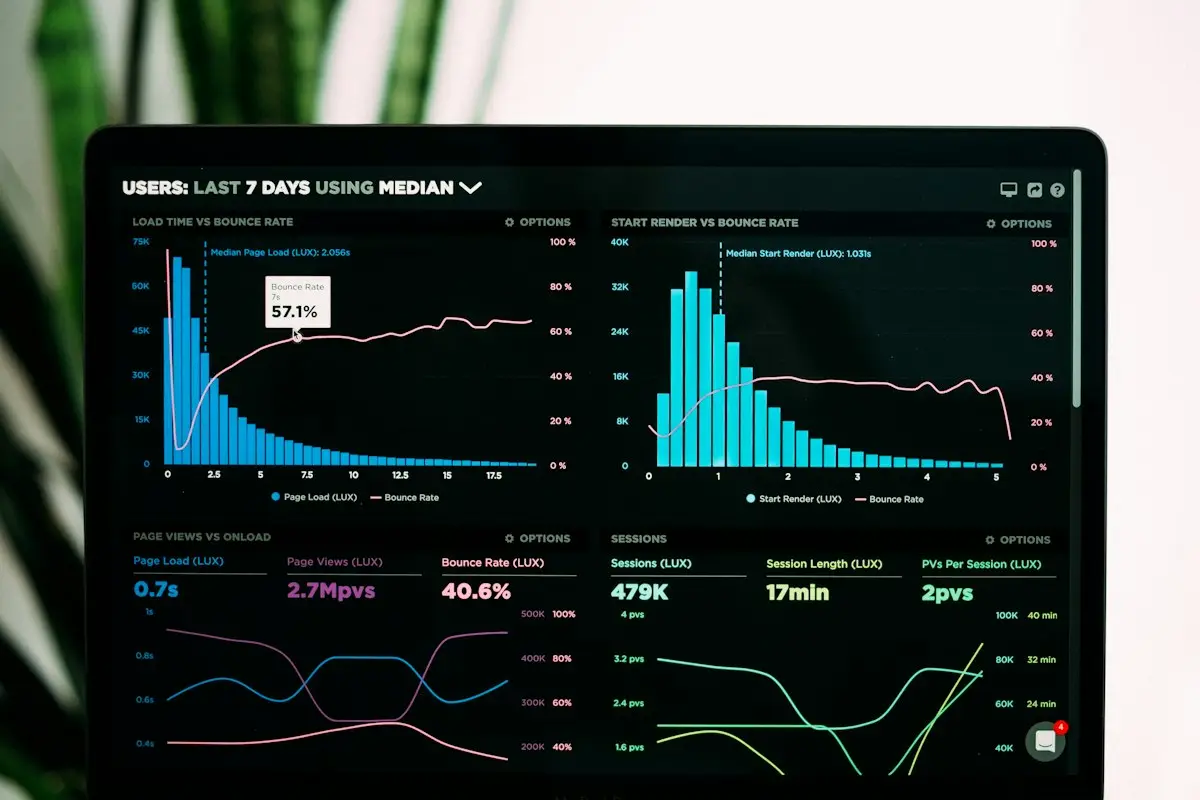
Speed requests rarely arrive as a brief. They arrive as a PageSpeed Insights screenshot with a red number, forwarded by a client who heard from someone that slow sites lose rankings. Or as a vague “the site feels sluggish on my phone.” Either way the client wants it fixed, wants to know what it will cost, and would quite like a green score at the end.
For an agency, that is a good piece of work to sell and an awkward one to deliver. It needs patient, technical digging across images, caching, plugins, scripts and hosting, and the result is easy to oversell. This page explains how we carry out white label website speed optimization for agencies: the technical work happens on our side, and what the client sees is your agency improving their site. For the wider picture of outsourcing WordPress delivery, the agency outsourcing guide is the place to begin.
The trap: selling a number
The most common mistake in reselling speed work is promising a score. Lab scores from PageSpeed Insights come from a single simulated test, they move between runs, and some of what drags them down, such as a chat widget, an ad pixel or a booking embed, may be something the client insists on keeping. Promise “90 on mobile” and you have tied your reputation to a figure that neither you nor we fully control.
What can be promised honestly is a process: find what is slowing the site, fix what can be fixed without breaking anything, measure before and after the same way, and explain the remainder. We word our findings so you can sell exactly that. When a client asks “will it be green?”, you can answer with what will change and why, rather than a number.
It also helps to separate the two kinds of measurement early. The lab test is a diagnostic. The field data at the top of the same report, where the site has enough visitors, reflects what real people experience, and the Core Web Vitals in it (loading, responsiveness and layout stability) are what Google uses in its page experience signals. We report both, and we tell you which one moved.
Two stages you can sell separately
Stage one: the audit
We look at the site and write up what is costing time, in order of how much each item matters and how risky it is to change. A typical audit covers oversized images and missing modern formats, caching and whether it is actually being served, plugins that load assets on every page, render-blocking scripts and styles, web fonts, third-party scripts, database bloat, and whether the hosting is the real ceiling. Each item comes with a suggested fix and a rough effort.
The audit is written without our name and in a form you can pass on, trim or rewrite. Some agencies sell it as a standalone product; others use it to scope the implementation and keep it internal.
Stage two: the work
You choose which items to go ahead with, often after discussing them with the client, and we carry them out. Changes happen on a staging copy where one exists, with a backup taken first either way. Anything with visible effects, such as lazy-loading that changes how a gallery appears or a deferred script that delays a pop-up, is checked before it reaches the live site. If your agency has its own approval flow for client changes, we fit into it; the post on running staging and approvals for client sites describes one that works well.
Who owns which part of a slow site
Speed problems cross several people’s territory, and part of the job is making that visible to you before the client asks.
| Cause | Usually fixable by us | Usually needs someone else |
|---|---|---|
| Images, fonts, theme assets | Yes | The client, if they keep uploading huge photos |
| Caching and plugin load | Yes | The host, if server caching is locked down |
| Marketing tags and widgets | Loading order only | The client’s marketing team, to remove any |
| Hosting resources | Diagnosis | The client or you, to change plan or host |
| Page builder output | Partly | A rebuild, if the layout itself is heavy |
Where the fix sits with the host, we can deal with them through our hosting support for agency accounts, or give you the evidence to raise it yourself. Where it sits with a third-party script, we tell you what it costs in loading time so the client can decide with facts.
When the honest answer is a rebuild
Some sites cannot be tuned into shape. A homepage built from dozens of nested page builder sections, each loading its own animations and widgets, will stay heavy whatever caching sits in front of it. A theme that bundles every feature its author ever imagined loads most of them on every page, used or not.
When we reach that conclusion, the audit says so directly, with the reasoning. It also says what tuning can still achieve in the meantime, so you are not forced into an all-or-nothing pitch. For some clients a lighter rebuild of the few pages that carry the traffic is the sensible middle path; for others it is a full redesign quoted separately. Either way, you hear it before the client has paid for optimisation that was never going to be enough, which protects your credibility far more than a modest improvement presented as a triumph.
We also flag the opposite case: a site that is already reasonably quick, where further work would cost more than it returns. Telling a client that is a perfectly good outcome.
What the client sees at the end
Your client sees a faster site and a short before-and-after summary under your brand: what was measured, what changed and what was deliberately left alone, in plain language. The detail goes to your team: each change, settings used, plugins added or removed, and anything that could undo the gains later.
That last part matters more than it sounds. Speed work is undone quietly. Someone installs a new slider, a campaign adds three tracking scripts, an editor uploads a photo straight off a camera. We include a short “how this gets slow again” list in the notes so your team can catch it.
Keeping it fast after the project
A speed project is a one-off sale, but the results last only as long as somebody pays attention. A few habits help, whether or not we are involved:
- Agree a short list of approved plugins for each client so new ones are a conversation, not a surprise. Our guide on standardising plugins across client sites covers this.
- Re-test after major updates, and especially after theme or builder updates.
- Check field data every few months rather than lab scores every week.
- Keep the audit as a baseline, so a later complaint can be compared against it.
Many agencies fold that checking into their recurring service; if you do, the maintenance we run under agency brands can include a speed check in each cycle. Before you present results to a client, it is worth a quick review on your side as well; a QA checklist for outsourced work shows what to look at.
How you stay in charge
With white label website speed optimization, you decide what is sold, at what price and with which promises. You decide which audit items go ahead. You hold all communication with the client and with their marketing people unless you ask us to speak to the host. We work in your client’s accounts with access you grant, and remove it when the work is done. Billing goes to your agency, and payment from abroad is by PayPal or Wise.
If a client contacts you outside office hours about a site that has suddenly become slow rather than gradually so, that is usually a fault, not an optimisation job. Treat it as a fix, and we will look at it as such.
Related services
For businesses that hire us directly, the same technical work is described on our page for owners who want a faster site. For development work of other kinds delivered under your name, see building WordPress sites for agencies behind their brand.
Send us one client site you are worried about. We will tell you what is slowing it down and what fixing it involves, and you can decide whether it is something you want to sell.